
Cold Chain Integrity Supervision: Complete Temperature Assurance from Factory to Port
As your quality control partner in the supply chain, we deeply understand that for frozen products, quality maintenance depends not only on the production process but also on continuous low-temperature assurance throughout the entire journey. The integrity of the cold chain is the lifeline of product safety, texture, and commercial value. Through on-site supervision and systematic recording, we ensure that from the completion of factory freezing to the arrival of containers at the destination port, the product core temperature remains continuously stable at -18°C or below.
Our cold chain integrity supervision system focuses on on-site verification and evidence solidification of the following four key links:
Freezing Processing: Locking the Initial Low-Temperature State of Products
Quality assurance begins with proper freezing processes. We supervise the factory's freezing process to ensure it complies with established specifications, laying a solid foundation for the subsequent cold chain.
Confirmation of Freezing Process Compliance
We verify and audit temperature and time records to ensure that the product's core temperature rapidly drops below -18°C in the shortest possible time, minimizing ice crystal damage to cellular structure and maintaining product freshness and texture.

Post-Freezing Core Temperature Measurement
After freezing completion and before warehousing, we supervise or audit the factory's sampling measurement records of product core temperature on-site, ensuring it has reached the specified low-temperature starting point (such as ≤-18° C to -22°C or lower), and retain temperature measurement photos as evidence.

Warehouse Management: Ensuring Stable Static Storage Environment
Product stability during storage is the first test of the cold chain. We focus on the compliance of cold storage environment management itself.
Continuous Monitoring of Cold Storage Temperature
We require and audit the factory's cold storage temperature records, and conduct regular spot checks and verifications to ensure warehouse temperature remains consistently stable at -18°C or below (possibly lower according to product requirements, e.g., for tuna). Any abnormal fluctuations must be recorded and explained.

On-site Temperature Spot Checks and Stacking Inspection
During inspections, we use calibrated thermometers to randomly check the core temperature of products at different locations in the warehouse. At the same time, we inspect whether product stacking follows the principles of "away from walls, off the ground, and with ventilation channels," and whether batch identification is clear, preventing local temperature increases due to improper stacking.
Evidence Archiving
Cold storage temperature records, on-site temperature measurement photos, and stacking status photos are uploaded as key evidence to the DocuTrace Cloud platform.
Loading Supervision: Safeguarding Critical Cold Chain Connection Points
Container loading is the link in the cold chain most prone to "chain breakage" risks. We implement full-process on-site supervision to ensure products are not exposed to non-low-temperature environments during transfer.
Container Pre-inspection
Before loading, we supervise container inspection, including: whether the container interior is clean, dry, odor-free, and undamaged; whether the container has been pre-cooled in advance, and confirm through temperature measurement that the internal temperature has reached 5°C or below. After loading, the container truck needs refrigeration, and continuous refrigeration is required during transportation.

Loading Process Supervision
We supervise the entire loading process, requiring rapid and orderly operations to minimize exposure time from cold storage shipment to container loading. At the same time, we check whether products remain in a solid frozen state during container loading.

Sealing and Recording
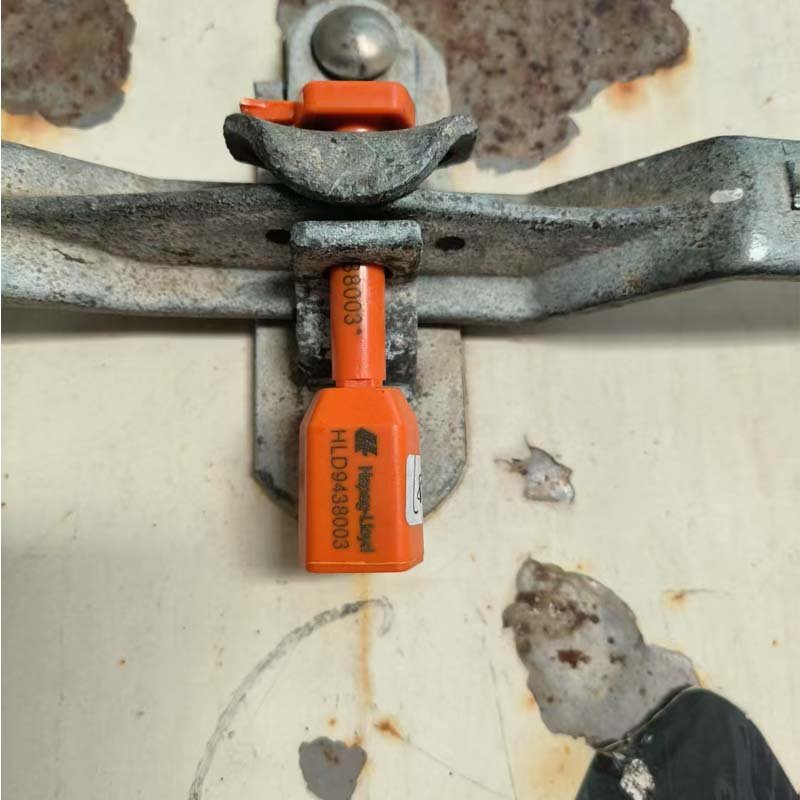
After loading completion, we supervise the closing and sealing of container doors, and clearly record the seal numbers. We take close-up photos of the closed container doors and seals as visual evidence for cargo handover and responsibility definition.
Data Traceability and Information Sharing: Providing Transparent Temperature History
We not only supervise the process but also strive to transform key cold chain data into transparent information accessible to you.
Temperature Data Package Integration
For each shipment batch, we integrate relevant cold chain evidence (including: post-freezing temperature records, storage period temperature, container pre-cooling temperature before loading, loading supervision records and photos).

On-demand Data Support
You can access or download the above cold chain integrity evidence package for your concerned batches at any time through the DocuTrace Cloud platform. We can also provide summarized temperature monitoring reports from factory to port departure upon request.
Risk Warning Communication
If temperature abnormalities or non-compliant operations are discovered at any stage of the supervision process, we will immediately initiate communication procedures, truthfully report on-site conditions, potential risks, and recorded objective evidence to you, assisting you in making timely decisions.
Conclusion: Your On-site Temperature Guardian
Our role is your on-site "temperature guardian." We do not make empty promises, but instead, through the above executable, recordable, and verifiable on- site supervision actions, we build a solid cold chain firewall for you. This ensures that every batch of products traveling across oceans can deliver the excellent quality obtained at the factory intact to your hands.
This article elaborates on the core commitments and specific practices of the Cold Chain Integrity Supervision section within our Four-Pillar Quality Control System.


