Ensuring Quality and Compliance: Our Transparent Control System
Introduction
This communication outlines the comprehensive quality control system implemented for our frozen surimi products, such as imitation crab sticks and claws. Our commitment is to ensure the highest standards of food safety, quality, and regulatory compliance throughout the entire production process, from raw material reception to final shipment. This system is designed to provide full transparency and assurance for our partners.
1. Raw Material Control & Pre-processing
Quality begins with our raw materials. We enforce strict acceptance criteria for all inputs.
Surimi & Ingredients
Every batch of surimi and other ingredients must be accompanied by valid official third-party certificates covering quarantine, origin, quality, and drug residue analysis. For instance, a recent test report for our frozen surimi raw material (Report No. FQJ12023200739) confirmed compliance with EU standards, including levels of inorganic arsenic (<0.05 mg/kg).
Allergen Management
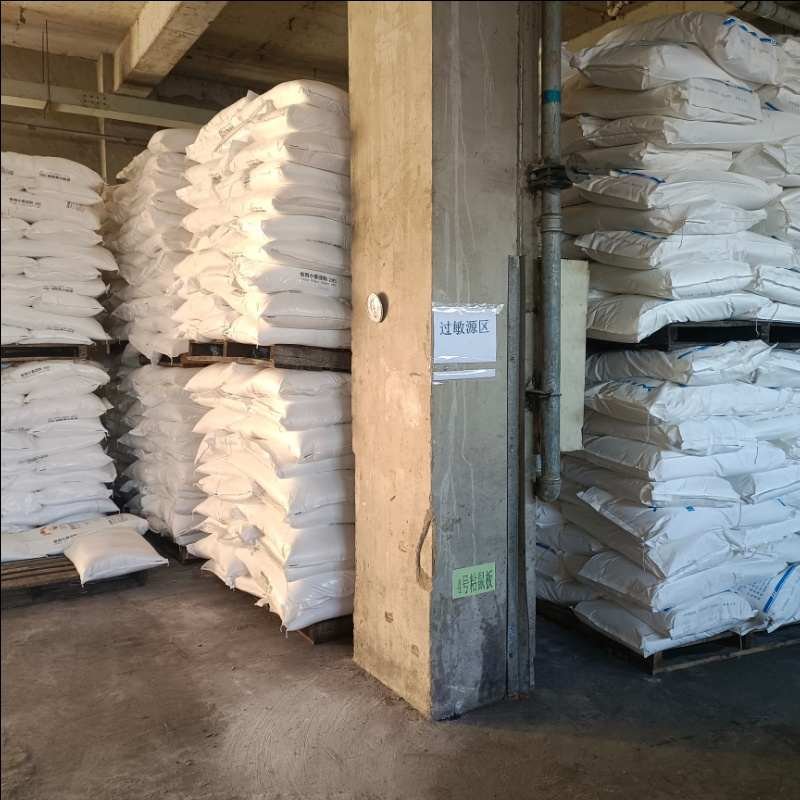
All allergenic ingredients (e.g., crustacean extract, wheat, egg, soy) are accurately identified and stored separately in designated areas to prevent cross-contamination.
Packaging Materials
All inner bags and outer cartons are inspected upon arrival. Checks include dimensions, material, printed content (especially allergen information and storage conditions), ensuring they match customer-approved samples and are free from contamination or odor.
Thawing Process
Controlled thawing is a critical step. We maintain a core product temperature between -2°C to 0°C in a clean, time-controlled environment to prevent microbial growth.
2. Production Process Control
The production floor operates under a robust Hazard Analysis and Critical Control Point (HACCP) system, with continuous monitoring at key stages.
Paste Mixing (CCP)
The temperature of the mixed paste is strictly controlled at ≤10°C, and its usage is completed within 3 hours to prevent pathogen growth. Detailed records, such as the "Paste Mixed and Used Record," document compliance for each batch.
Metal Detection (CCP)
100% of products pass through metal detectors calibrated to detect Fe ≤ 2.0mm, SUS ≤ 3.0mm, and Non-Fe ≤ 3.0mm. Sensitivity is tested hourly with standard blocks, as evidenced in our "Metal Detection Monitor Records."
Sterilization/Cooking (CCP)
This is a vital step for microbiological safety. We ensure the product center temperature reaches ≥82℃ for the specified duration (e.g., 15 minutes for crab claws). Our "Continuous Steam Sterilization Operation Reports" provide automatic temperature curves and manual verification logs.
Cooling
After cooking, products are rapidly cooled in water ≤15°C for at least 35 minutes to halt the cooking process and ensure texture and safety.
3. Final Product, Packaging & Storage
Before shipment, finished products undergo rigorous final checks.
Final Inspection
Products are tested against customer and regulatory standards for microbiological (total plate count, coliforms, pathogens) and physicochemical indicators (heavy metals, additives).
Compliance with New EU Regulations
Proactive testing for contaminants like arsenic is integral. Recent SGS test reports for our finished products (Batch 275) show total arsenic levels of 0.049 mg/kg for crab claws and 0.051 mg/kg for crab sticks, which are well within the new EU Regulation (EU) 2025/1891 limits for such products.
Packaging & Labeling
We verify packaging integrity (e.g., no leaks in vacuum packs) and ensure accurate labeling, with clear allergen declarations (e.g., fish, crustaceans, wheat, egg, soy).
Frozen Storage
Products are stored at a continuous temperature below -18°C, with clear batch identification and proper stacking away from walls and floors.
4. Loading & Transportation
The cold chain is maintained rigorously until delivery.
Container Inspection
Prior to loading, each container is inspected for cleanliness, damage, and is pre-cooled to -15°C or below.
Loading Supervision
The loading process is swift to minimize product exposure to ambient temperatures. The container door is sealed, and the seal number is recorded.
Documentation & Traceability
Complete records, including container inspection sheets and loading reports, are maintained for full traceability.
Conclusion
The attached quality control framework and supporting documentation (including recent test reports and production records) demonstrate our systematic approach to manufacturing safe, high-quality frozen surimi products. We are dedicated to not only meeting but exceeding industry standards and evolving regulations, such as the latest EU requirements on inorganic arsenic. Our goal is to partner with you to deliver exceptional products with unwavering reliability.
Should you have any questions or require further details on any specific process, please do not hesitate to contact us.